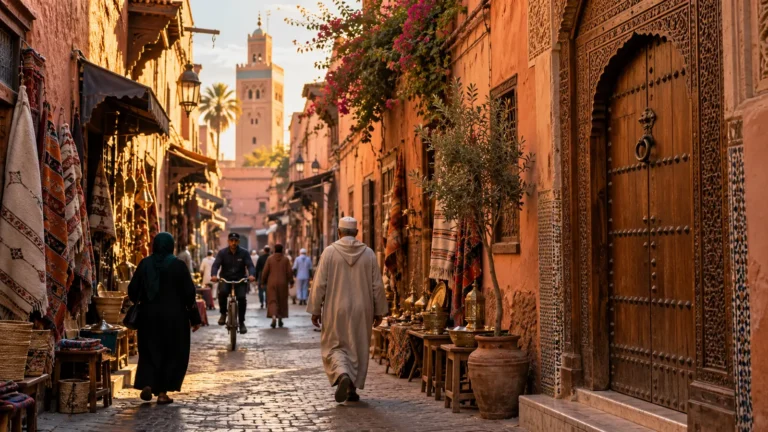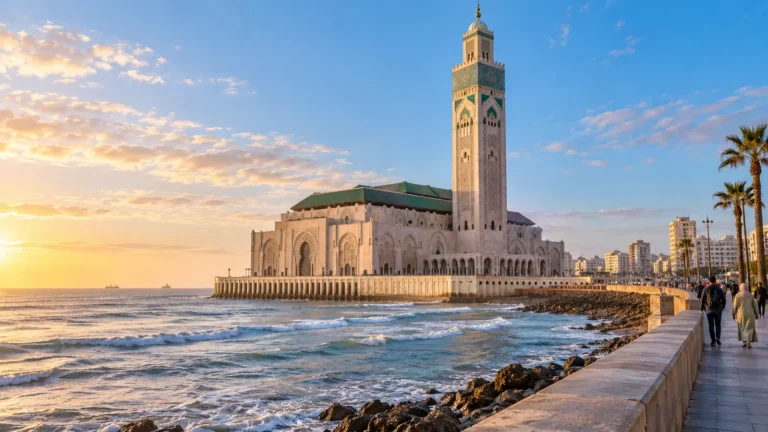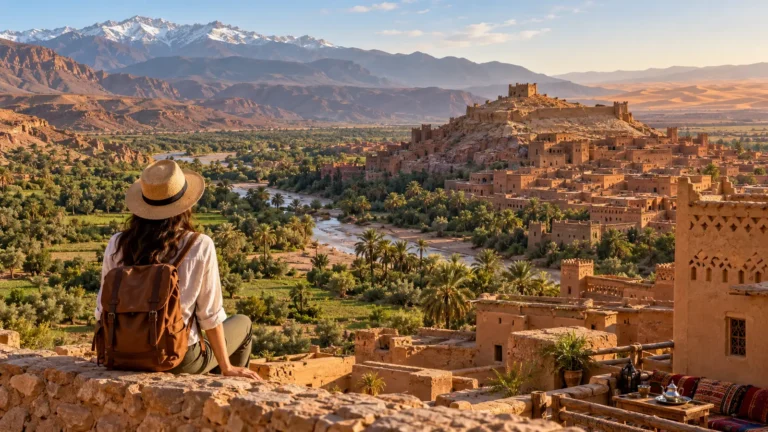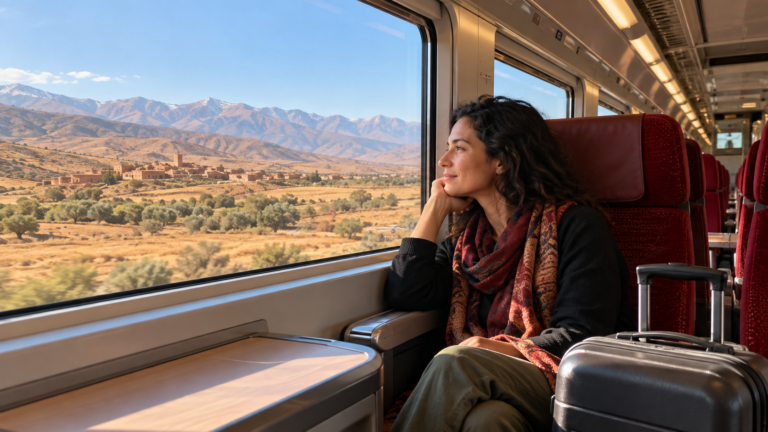

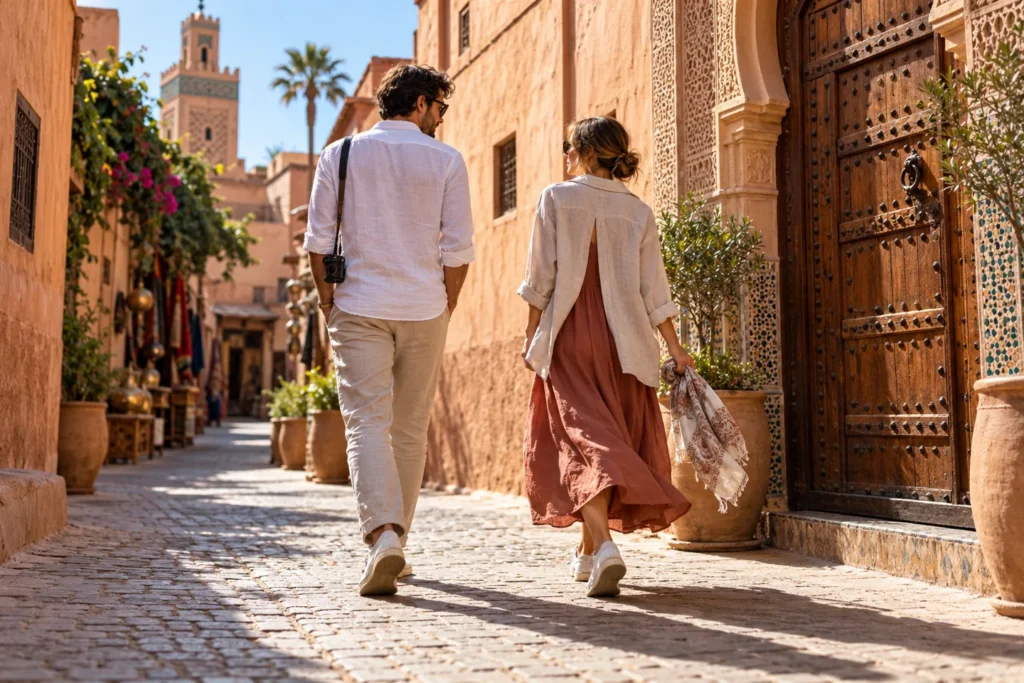
what to wear in Morocco depends on the season, destination and activities, but the most useful rule is simple: pack breathable layers that offer sun protection, comfortable movement and enough coverage for local settings. Morocco does not require visitors to dress in traditional clothing, yet thoughtful choices make cities, villages, desert camps and family spaces more comfortable.
Table of contents
Table of Contents
What to wear in Morocco: the quick answer
For most trips, bring lightweight trousers or long skirts, breathable shirts, a light overshirt, comfortable walking shoes, a sun hat and one warm layer. Add a compact rain jacket in the wetter months. Clothing that can be combined in layers is more useful than a separate outfit for every place.
A respectful travel wardrobe does not need to be formal. Covered shoulders and knee-length or longer clothing are practical in traditional neighbourhoods, rural communities and family-run properties. In resorts, private pools and beach areas, swimwear is normal, but use a cover-up when leaving those spaces.
Dress respectfully without overthinking it
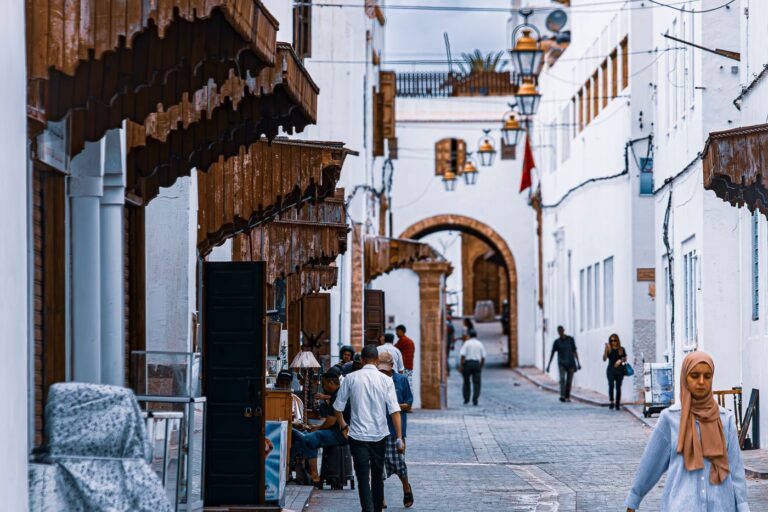
Moroccan cities are diverse, and you will see many styles of dress. Visitors are not expected to copy local clothing. The goal is to avoid outfits that feel uncomfortable in crowded streets, religious surroundings or conservative rural areas. A loose shirt, breathable trousers and a scarf or light layer solve most situations.
Ask before entering any religious or private space and follow the instructions displayed there. Our Morocco safety and etiquette guide explains photography, greetings, taxis, Ramadan and other everyday customs.
What to wear in Morocco in spring and autumn
March to May and September to November often bring the easiest daytime temperatures, but mornings, evenings and mountain areas can still feel cool. Pack short-sleeved tops, one or two long-sleeved layers, breathable trousers, a light jacket and closed walking shoes.
A scarf is useful for wind, sun and temperature changes. If your route crosses the High Atlas or includes a desert night, carry a warmer mid-layer even when Marrakech is hot during the afternoon.
What to wear in Morocco in summer
In hot inland cities and the south, loose long clothing can feel cooler than tight short garments because it shades the skin. Choose linen, lightweight cotton or quick-drying technical fabrics. Avoid heavy denim on long driving days and carry a hat, sunglasses and sun protection.
Plan walking early and later in the day when possible. A small change of top can be useful after a hot medina visit. The coast is usually milder than Marrakech or the desert, and evening wind may make a thin overshirt comfortable.
What to wear in Morocco in winter
From December to February, daytime sunshine can be pleasant while shaded medinas, riads, mountains and desert camps become cold. Pack layers rather than relying on one bulky coat: a base layer, warm sweater or fleece, wind-resistant jacket and warmer socks work well.
Heating standards vary between properties. Travellers who feel the cold should ask about room heating before booking and keep a warm layer accessible rather than packed at the bottom of a suitcase.
What to wear in Morocco by region
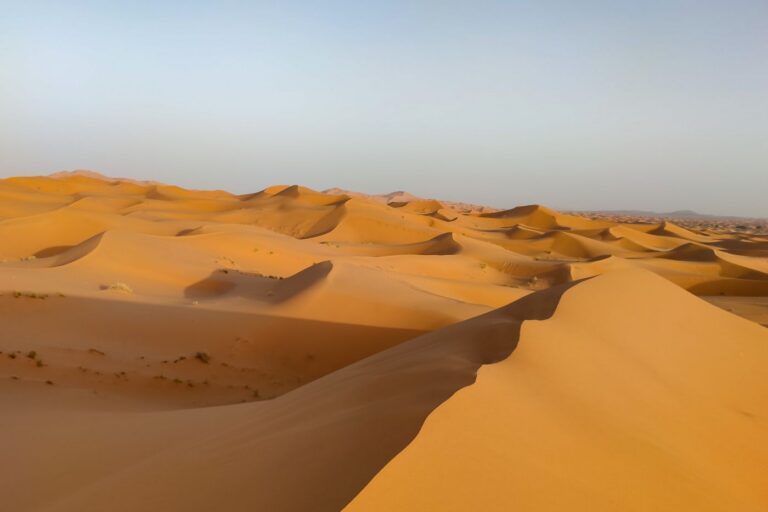
For Marrakech, Fes, Rabat and Chefchaouen, prioritize comfortable walking shoes and clothing that handles sun, stairs and busy streets. For the Sahara, protect skin from sun and wind and bring a warm evening layer. Read our Sahara desert packing guide for camp-specific equipment.
Mountain walks need stable footwear, layers and weather protection. Coastal towns can be breezy, especially after sunset. Check the Moroccan National Tourist Office practical information and a reliable local forecast shortly before departure.
Shoes, swimwear and activity clothing
One supportive pair of walking shoes is more valuable than several fashionable pairs. Add sandals with a secure strap for relaxed days, but avoid thin flip-flops for medina streets, rocky viewpoints or long walks. New shoes should be broken in before the trip.
Pack swimwear for hotels, hammams with private facilities, beaches and pools. Use a cover-up in shared corridors or when returning to public streets. For camel rides, hikes and quad activities, trousers and closed shoes reduce rubbing, dust and sun exposure.
Common packing mistakes to avoid
The biggest mistakes are packing only for daytime heat, bringing uncomfortable new shoes, ignoring mountain and desert temperature changes, and carrying too many single-use outfits. Laundry is available in many cities, so a small coordinated wardrobe usually works better.
Do not assume every accommodation has the same heating, air conditioning, pool rules or laundry turnaround. Confirm the details that matter to you before arrival, especially on a fast-moving private route. Explore our private Morocco tours or request a custom Morocco itinerary when you want packing advice matched to your route.
Morocco clothing checklist
- Breathable short- and long-sleeved tops
- Lightweight trousers or long skirts
- One warm sweater or fleece
- Light wind or rain jacket
- Supportive walking shoes
- Secure sandals for relaxed days
- Sun hat and sunglasses
- Scarf or light shawl
- Swimwear and a cover-up
- Warm socks for winter or desert nights
- Small laundry bag
- Sun protection and refillable water bottle
Frequently asked questions
Can women wear trousers in Morocco?
Yes. Loose trousers are practical and widely used by travellers. In more traditional settings, combining them with a top that covers the shoulders and hips can feel more comfortable.
Can men wear shorts in Morocco?
Shorts are common in tourist areas and warm weather, but lightweight long trousers are more versatile for traditional neighbourhoods, family visits, evenings and religious surroundings.
Do I need to cover my hair?
Visitors generally do not need to cover their hair in everyday public spaces. A scarf is still useful for sun, wind and situations where a specific site requests additional coverage.
What should I wear in the Sahara at night?
Bring a warm layer, long trousers and closed shoes. Desert temperatures can drop after sunset, especially outside summer, even when the afternoon was hot.
Final advice
The best answer to what to wear in Morocco is a small wardrobe of breathable, respectful and adaptable layers. Match the final choices to your month, route and activities, then check the forecast before departure. Comfort and flexibility matter more than carrying a different outfit for every day.