
morocco weather june changes sharply by region. Atlantic cities can feel mild and breezy, Marrakech and Fes are much hotter, mountain mornings remain cooler, and the desert requires careful timing. June can be an excellent month for Morocco when the route matches the climate instead of treating the country as one weather zone.
Quick answer: plan coastal sightseeing throughout the day, schedule inland walks for morning and late afternoon, and avoid building a desert route around midday activities. Pack breathable coverage, strong sun protection, comfortable shoes and one light layer for the coast or mountains.
Table of Contents
morocco weather june: plan region by region
This morocco weather june guide treats the coast, inland cities, mountains and desert as separate planning zones.
Morocco weather in June by region
The morocco weather june experience depends more on the route than on one national average.
| Region | Typical June character | Best planning approach |
|---|---|---|
| Atlantic coast | Milder, breezier and sometimes cloudy in the morning | Carry a light layer and expect beach conditions to vary |
| Inland cities | Hot, dry afternoons with stronger sun | Start early, rest at midday and resume later |
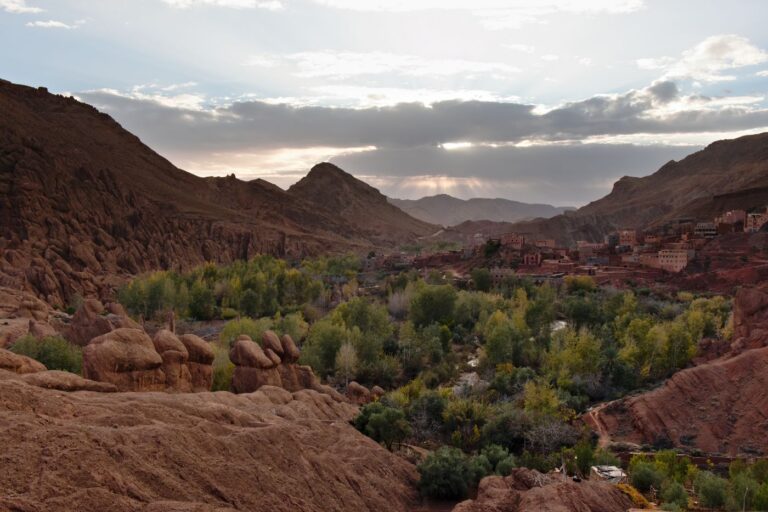
| Rif and Atlas Mountains | Cooler with stronger changes by altitude | Check the exact village, elevation and route |
| Southern valleys and desert | Very hot and highly exposed | Use an experienced operator and avoid midday exertion |
| Mediterranean north | Warm, with a different coastal feel from the Atlantic | Combine city visits with sea time and sun protection |
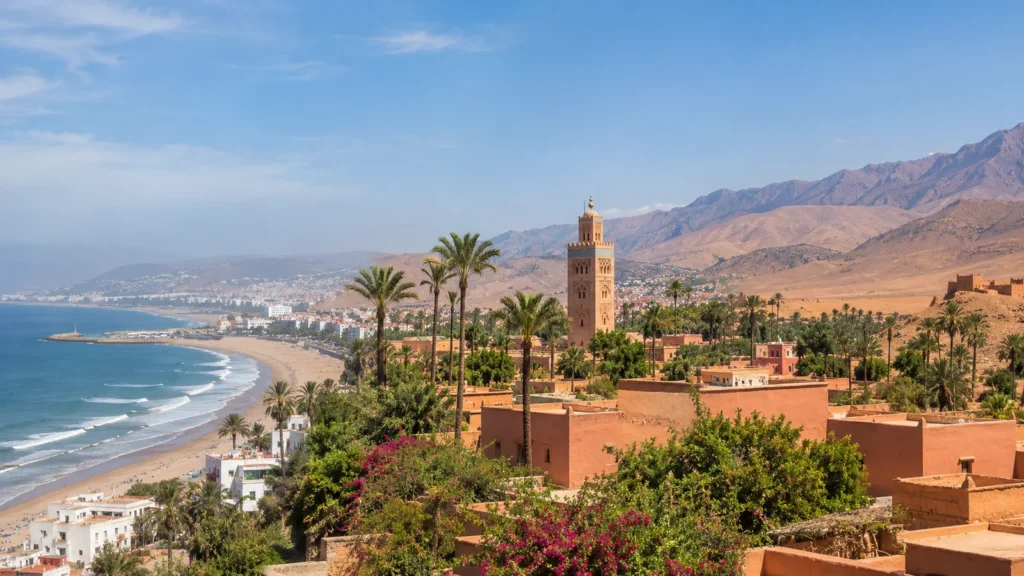
The Moroccan National Tourist Office explains that the Atlantic, Mediterranean, mountains and Sahara create several climatic influences across the country. That regional contrast is the key to understanding Morocco weather in June.
Morocco temperature in June: why one average is misleading
A national Morocco temperature in June figure cannot tell you what a day will feel like. Essaouira may be cool enough for a jacket in the evening while Marrakech remains warm. A High Atlas village can have a crisp morning as the valleys farther south heat up quickly.
Check each overnight stop separately. Look at daytime highs, overnight lows, wind and the “feels like” temperature. Review the forecast again before a hike, long transfer or desert excursion, since those plans are more exposed to weather changes.
Marrakech weather June
For a city-and-coast itinerary, use the morocco weather june contrast to place your busiest walking days by the Atlantic.
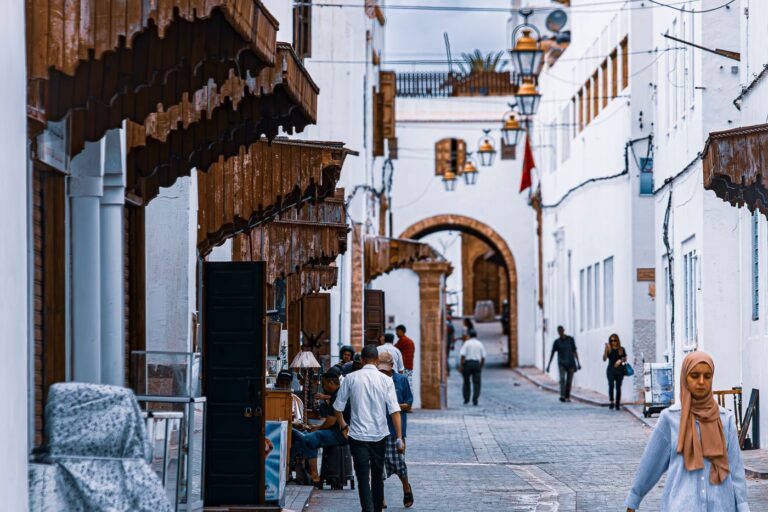
Marrakech weather June is usually hot and dry, with the strongest heat in the afternoon. Plan monuments and medina walking soon after breakfast. Use the middle of the day for lunch, a shaded riad, a hammam or a museum, then return outdoors later.
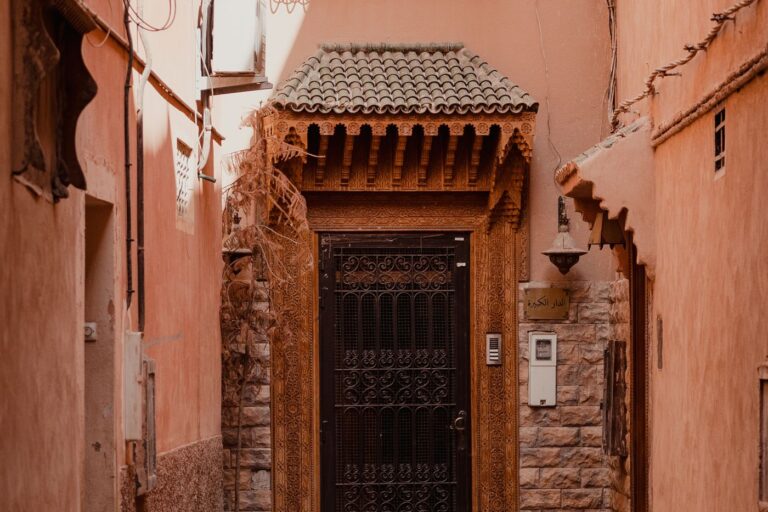
Medina lanes provide shade, but heat can build where air movement is limited. Carry water, take breaks before you feel tired and avoid stacking several distant attractions into the same afternoon. Our Marrakech attractions guide groups nearby places so you spend less time crossing the city.
Agadir weather June
Agadir weather June benefits from the Atlantic influence. The coast often feels milder than inland Morocco, and wind can make the air surprisingly cool after sunset. Morning cloud is possible even when the afternoon becomes bright.
Do not assume that mild air means weak sun. Use sunscreen, follow beach safety flags and keep a light shirt or jacket for the evening promenade. If you are travelling specifically for surfing, check local swell and wind conditions rather than relying on a monthly climate summary.
Fes, Chefchaouen and the north
Fes can be hot in June, and the old medina involves hills, steps and long stretches on foot. Begin with a guided walk early, pause during the hottest hours and keep the evening flexible. Chefchaouen may feel cooler, but steep lanes and direct sun still require water and sensible pacing.
Tangier and the Mediterranean coast have their own wind and humidity patterns. Pack for the actual route: a city-only trip in the north needs different clothing from a journey that continues across the Middle Atlas or toward the desert.
Sahara Desert weather June
The hottest morocco weather june conditions demand a slower schedule, reliable transport and an honest heat plan.
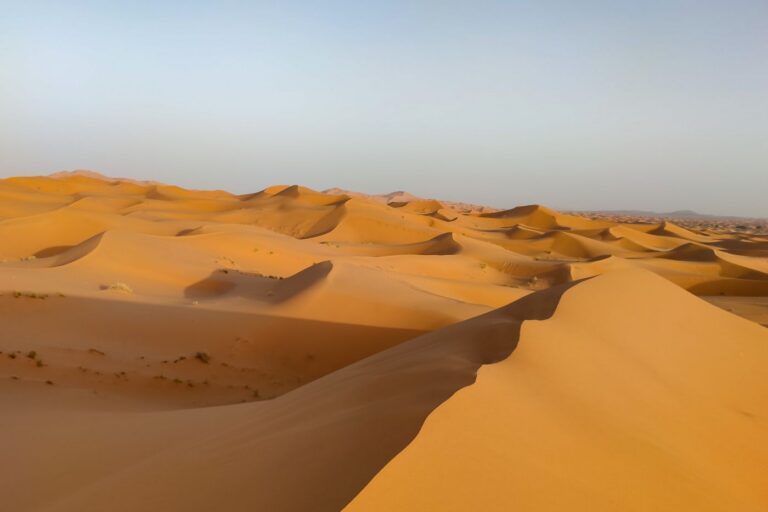
Sahara Desert weather June can be extremely hot, with limited shade and long road transfers. If you travel, use an operator who adjusts activity times, carries sufficient water and explains the heat plan before departure. Camel rides, dune walks and photography sessions should take place early or late, not at the hottest point of the day.
The official tourism guidance recommends spring and autumn for Morocco’s Saharan regions. June is still possible for experienced, well-prepared travellers, but it should not be sold as the easiest season. If you have flexibility, consider keeping June focused on the coast, northern cities and carefully chosen mountain areas.
For a desert route, read our Sahara packing guide and compare realistic road time in the Marrakech to Merzouga itinerary.
Atlas Mountains in June
June can be attractive for mountain walking, but altitude, route exposure and fitness matter. A pleasant village forecast does not guarantee the same conditions on a high pass. Start early, use a qualified local guide for unfamiliar routes and carry a layer for wind or changing conditions.
Ask about water availability on the route and do not rely on streams. Separate a demanding hike from a long driving day. Heat and altitude both increase fatigue, even when the air feels cooler than Marrakech.
What to wear in Morocco in June
A useful morocco weather june wardrobe protects against strong sun while keeping one light layer for wind, altitude and cool interiors.
For what to wear in Morocco in June, choose light, breathable clothes that cover more skin than a beach outfit. Loose trousers, long skirts and airy shirts provide comfort and sun protection. Pack swimwear for pools and beaches, then add a cover-up for walking through towns and hotel public areas.
- Breathable tops and loose trousers or long skirts.
- A wide-brimmed hat, sunglasses and high-protection sunscreen.
- Comfortable walking shoes and sandals with support.
- A light layer for Atlantic evenings, mountain mornings and air-conditioned transport.
- A scarf for sun, dust and cool wind.
- A refillable bottle and electrolyte plan for long active days.
- A small first-aid kit and personal medication.
Our full guide to what to wear in Morocco covers cultural settings, coast, cities and desert travel.
Is June a good time to visit Morocco?
Is June a good time to visit Morocco? Yes, for travellers who plan around heat and choose the route carefully. It works well for the Atlantic coast, mixed city-and-coast trips and early-season mountain travel. It is more demanding for fast inland itineraries and long daytime desert activities.
- Choose June if you can start early, rest at midday and prefer dry conditions.
- Choose another month if strong heat limits your activity or the Sahara is the main purpose of the trip.
- Mix regions if you want Marrakech or Fes but also need cooler days on the coast.
Morocco June travel tips
- Check forecasts for each stop, not only the arrival city.
- Book air-conditioned transport for long inland journeys and confirm it in writing.
- Start outdoor sightseeing early and protect the midday hours.
- Carry water, but also plan where you can refill safely.
- Keep one light layer for the coast, mountains and cool interiors.
- Choose accommodation with real ventilation or air conditioning where heat is expected.
- Allow a slower pace for children, older travellers and anyone unused to dry heat.
These Morocco June travel tips are more useful than chasing a perfect national temperature. The right daily rhythm lets you enjoy the country without spending every afternoon exhausted.
A balanced 7-day June route
A practical first trip could combine three nights in Marrakech, one Atlas foothill day and three nights in Essaouira or Agadir. Do city visits early, keep the mountain day weather-dependent and finish on the Atlantic. This route reduces long transfers and gives you a cooler second half.
For a longer national trip, use our 10-day Morocco itinerary as a framework, then remove or move the hottest inland sections rather than forcing the same route in every season.
Frequently asked questions
Does it rain in Morocco in June?
June is generally dry in many popular regions, but rain and local storms remain possible, especially around mountains. Use a live forecast for outdoor plans.
Is the coast warm enough for a beach holiday?
Air temperatures can be pleasant, but the Atlantic remains cooler than many Mediterranean visitors expect. Wind, cloud and currents change daily conditions, so follow local beach guidance.
Do I need a jacket?
Bring one light layer for Essaouira, Agadir, mountain mornings and air-conditioned transport. Inland cities may remain warm late into the evening.
Build the route around the climate
The best way to handle morocco weather june is to design the route region by region. Use early mornings inland, take the coast seriously as a cooler alternative and treat desert heat with respect. A slower, climate-aware plan will show you more of Morocco than a crowded checklist.
Source and further planning: Moroccan National Tourist Office: climate and seasons. Check current local forecasts and official weather alerts before travel.