
Morocco fishing is better than most visitors expect. The country has a long Atlantic coastline, a Mediterranean shore, Atlas reservoirs holding bass and carp, and cold mountain streams that hold trout. The difficulty is not finding water, it is finding reliable information, because the guides that exist disagree on prices, seasons and permits.
This guide keeps to what the available sources agree on, flags clearly where they conflict, and tells you what to confirm with the authorities before you pack a rod. It draws on Fishing World Guide and City Tours Morocco, and the comparisons below say which claims come from one source only. If you are combining fishing with a road trip, our Morocco road trip guide helps you plan the driving.
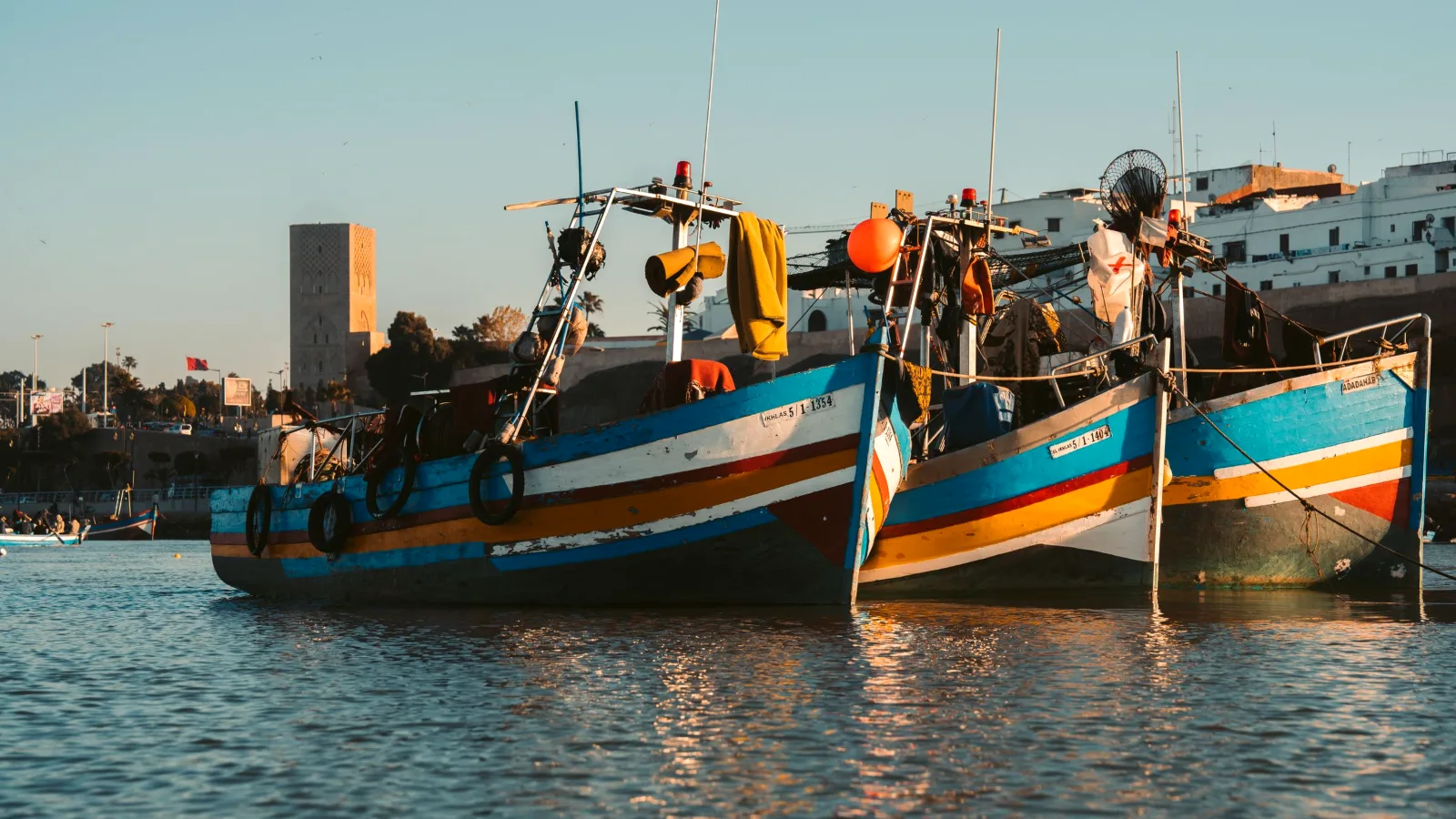
Table of Contents
Morocco fishing at a glance
Four areas appear in both guides, and they cover most of what travelling anglers want: the Atlantic around Dakhla, the Middle Atlas reservoir of Bin el Ouidane, the Atlas trout streams, and the Essaouira coast. The table summarises them with the points the sources share.
| Area | Type | Typical target species | Notes from the guides |
|---|---|---|---|
| Dakhla lagoon and Atlantic | Sea, boat and shore | Corvina (meagre) and sea bass; the other guide adds grouper, barracuda and tuna | Charter-based; one guide says it is fishable all year, with a peak from October to March |
| Bin el Ouidane | Reservoir in the Middle Atlas | Bass and carp; one guide also lists pike and barbel | Spring and autumn are the best seasons; freshwater permit required |
| Atlas streams (for example the Oued Tizguite area) | Mountain streams | Brown and rainbow trout | Seasonal with a closed season; hire a local guide for access |
| Essaouira coast | Sea, shore and boat | Sea bream, sea bass and mackerel | Fishable year-round according to one guide |
Sea fishing: Dakhla, Essaouira and the Atlantic coast
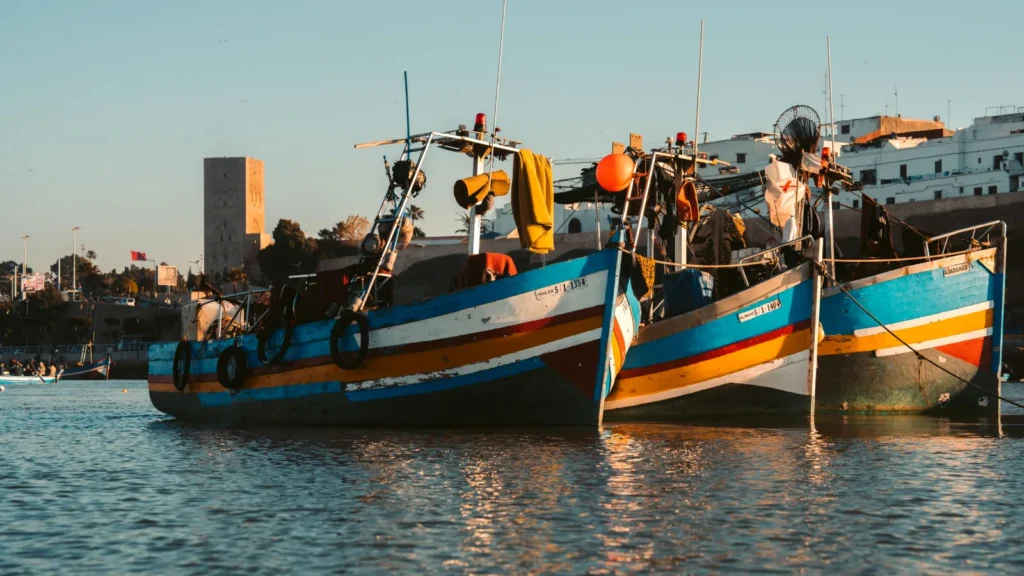
Both guides put the Atlantic at the centre of Morocco fishing, and Dakhla is the standout. Fishing World Guide lists corvina and sea bass for the lagoon, while City Tours Morocco extends the list to grouper, barracuda, tuna and amberjack on deep-water trips and says the peak runs from October to March. Charters are the normal way to fish here, and prices quoted differ: about 200 euros a day in one guide and from 2,500 MAD in the other, so ask for a written quote.
Further north, Essaouira is the beginner-friendly alternative. The same sources name sea bream, sea bass and mackerel, and say boat trips can be arranged by the day. One guide says the coast fishes well from September to April. For big game, Fishing World Guide names Mohammedia as a centre for marlin and tuna, but that claim comes from one source only, so confirm it with a charter operator.
Freshwater fishing: reservoirs and trout streams
Inland fishing is smaller in scale but more varied. Bin el Ouidane is the best-known reservoir, and both guides agree that spring and autumn are the best seasons. The other reservoirs mentioned, such as Al Wahda, appear in only one guide, so treat them as leads to research rather than certainties.
Trout fishing in the Atlas is a different experience, with small rivers and village access. One guide recommends hiring a local guide and points out that a guide helps with access across village land. Trout are protected by a closed season, so check the current dates before you go. The sources disagree on the window: one says March to September, while another gives spring and autumn only, which is consistent with a closed season.
Permits and rules: what to confirm before you go
This is the area where the sources contradict each other most, so it deserves caution. They agree on the principle: a freshwater permit is required, and permits are issued by the national forestry and water authority or by local fishing clubs. Beyond that they diverge. One guide quotes an annual permit of about 600 MAD and a non-resident day permit of 200 MAD, while the other says licences start from about 100 MAD and can be bought online. One says permits are not available online. These cannot all be right, so treat the figures as indicative only.
- Freshwater: a permit is required in both guides, so arrange it before you fish
- Sea: both guides say shore fishing generally needs no licence, and one adds that charters handle permits for recreational saltwater trips, though it notes that some shore methods may be restricted
- Methods: dynamite and poison are prohibited, and nets are for professional fishermen
- Catch and release is encouraged, and in some waters required
- Closed seasons, size limits and restricted areas exist but are not spelled out, so ask the local office or your guide
Recent news headlines show that Morocco has been revising its freshwater fishing rules, and the national forestry agency announces the trout season each year, so a guide from an earlier year may be out of date. Ask your guide or the local forestry office for the current rules and keep the paperwork with you.
When to go: seasons for Morocco fishing
The guides agree on a simple pattern. The coast fishes through the year with the best windows in spring and autumn. Reservoirs and trout rivers are best in spring and autumn, when the weather is mild and the water is not extreme. Summer heat is intense inland, so early morning and late afternoon sessions are advised at Bin el Ouidane. Use our best time to visit Morocco guide to match the fishing window to the weather in the region you choose.
Costs and what to bring
Costs reported by the guides vary, so use them to compare quotes rather than as fixed prices. Fishing World Guide lists reservoir guides at about 50 to 150 euros a day and Dakhla coastal guides at about 80 to 200 euros, while City Tours Morocco quotes a boat rental from 500 MAD a day at Bin el Ouidane and guides from 500 MAD a day on Atlas rivers. Bring your own rods and tackle for freshwater and fly fishing, since quality gear is limited locally. Carry cash for small payments; our money in Morocco guide explains cards and cash.
- Your own rods, reels and tackle for freshwater and fly fishing
- Sun protection and plenty of water, especially at inland lakes in warm months
- Seasickness tablets if you are booking an offshore charter
- Written confirmation of permits, dates and prices from your guide
- Layers for mountain mornings if you are fishing Atlas streams
Combine fishing with other plans
Morocco fishing fits easily into a wider trip. Trout streams sit in the same mountains that suit our Morocco hiking tours guide, and the coast has plenty to do between sessions; our things to do in Morocco guide covers the best options.
Morocco fishing: frequently asked questions
Do I need a licence to fish in Morocco?
For freshwater, yes: both guides say a permit is required. For sea fishing from the shore, both guides say no licence is generally needed, and one says charters handle permits for boat trips. Confirm locally, especially for shore methods.
Where is the best place for sea fishing in Morocco?
Dakhla is the most repeated name, with corvina, sea bass and deep-water species. Essaouira is a good, easier alternative for sea bream, bass and mackerel.
What is the best time of year for fishing in Morocco?
Spring and autumn are the most consistent windows across the guides. The coast can be fished year-round, with Dakhla peaking from October to March according to one guide.
Can you fish for trout in Morocco?
Yes, in Atlas streams, but there is a closed season and a permit is required. Check the current dates and hire a local guide for access.
How much does a fishing charter in Morocco cost?
Prices differ by source: about 200 euros a day in one guide and from 2,500 MAD in another. Always ask for a written quote that states duration, number of anglers and what is included.
Related guides
- Morocco Valley of Roses: Season, Festival, Visit Tips
- Three Valleys Morocco: Which Valleys and What to Expect
- Talassemtane National Park Morocco: Hikes and Facts
- Ouzoud Morocco: Waterfalls Day Trip Guide
- Skiing Atlas Mountains Morocco: Resorts, Season, Costs
- Desert Camping in Morocco: Chebbi vs Chigaga Guide