
getting around Morocco is easier when you match each route to the right transport. Trains are efficient between connected cities, coaches reach places without rail, taxis handle local trips, and private drivers provide door-to-door flexibility for complex or remote itineraries.
Getting around Morocco: quick recommendation
Use trains for major rail corridors, reputable intercity coaches for destinations outside the network, petit taxis for short urban rides and a pre-arranged driver for remote or multi-stop days. Rental cars suit confident drivers who want independence.
Do not force one mode onto the whole trip. Compare total travel time, station location, luggage, arrival hour and the value of door-to-door service. Keep the first transfer organised before landing and leave realistic buffers between separate tickets.
Getting around Morocco by train
ONCF operates conventional Al Atlas services, Al Boraq high-speed trains and regional services. The official tourism guide notes the high-speed corridor links Tangier, Kenitra, Rabat and Casablanca, while conventional rail connects many major cities. Check live schedules and tickets on ONCF Voyages.
Book popular departures early, especially around weekends and holidays. Confirm departure station, train number, class and seat. Marrakech is on the rail network, while destinations such as Agadir and many desert towns require a coach, transfer or driver for the final section.
Getting around Morocco by intercity coach
For getting around Morocco beyond the rail network, coaches fill important gaps in the rail network and can connect major cities with smaller destinations. Use established operators and official sales channels. CTM publishes routes and ticket options; schedules and services can change, so verify close to travel.
Arrive early, identify the correct station, label luggage and keep valuables with you. Check whether luggage has a separate handling charge or tag. A daytime journey can be scenic, while a late arrival may justify arranging the onward taxi or hotel pickup in advance.
Petit taxis and grand taxis
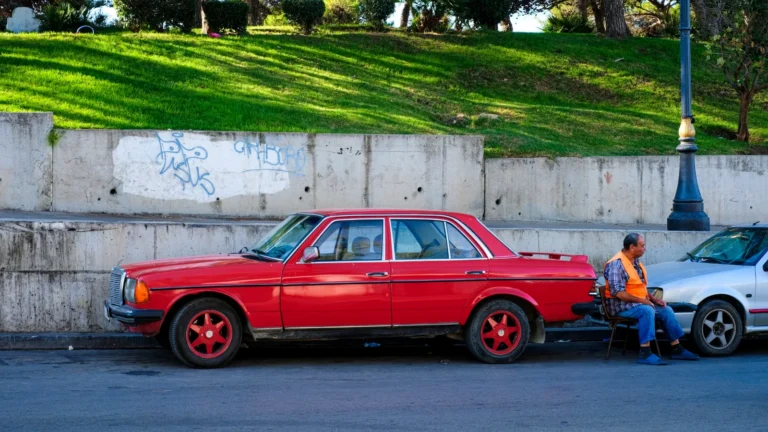
Petit taxis normally operate within a city and are colour-coded by city. Ask for the meter where used or agree the fare before departure. A taxi may pick up additional passengers depending on local practice. Keep small dirham notes and show the written destination.
Grand taxis connect airports, suburbs, towns and regional routes. Some operate as shared transport and others can be hired privately. Confirm whether the quoted price is per seat or for the whole vehicle, the exact destination and whether luggage is included before getting in.
Private drivers and airport transfers
When getting around Morocco with a private driver, a private driver is useful for late arrivals, families, substantial luggage, remote hotels and routes with several sightseeing stops. Request the full price, vehicle type, pickup point, waiting policy and included stops in writing. Share the flight number only with the confirmed provider.
For a longer circuit, a driver can reduce station changes and connect places not served directly by public transport. Review what is included in our custom Morocco tour options and compare the whole itinerary, not only the daily vehicle rate.
Rental cars and road trips
A rental car offers independence, but consider city traffic, parking, road conditions, fuel, deposits and insurance. Photograph the vehicle at collection, inspect tyres and fuel level, understand the deductible and keep the rental contact available.
Avoid planning excessively long driving days. Download offline maps, refuel before remote stretches and do not drive when tired. Our Morocco road trip guide covers more preparation and route decisions.
City transport, trams and walking
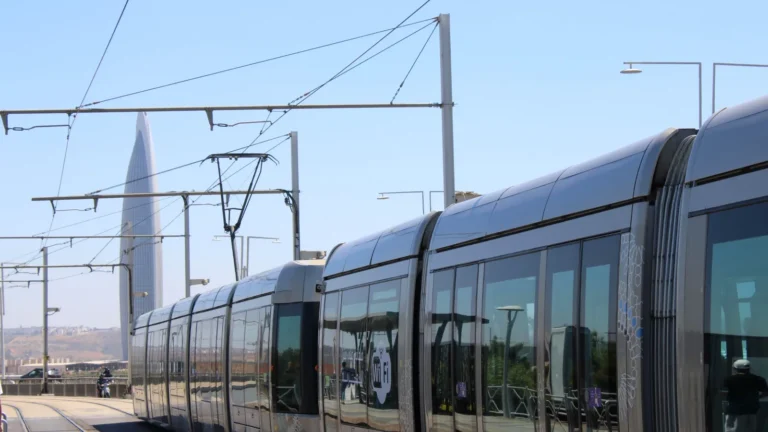
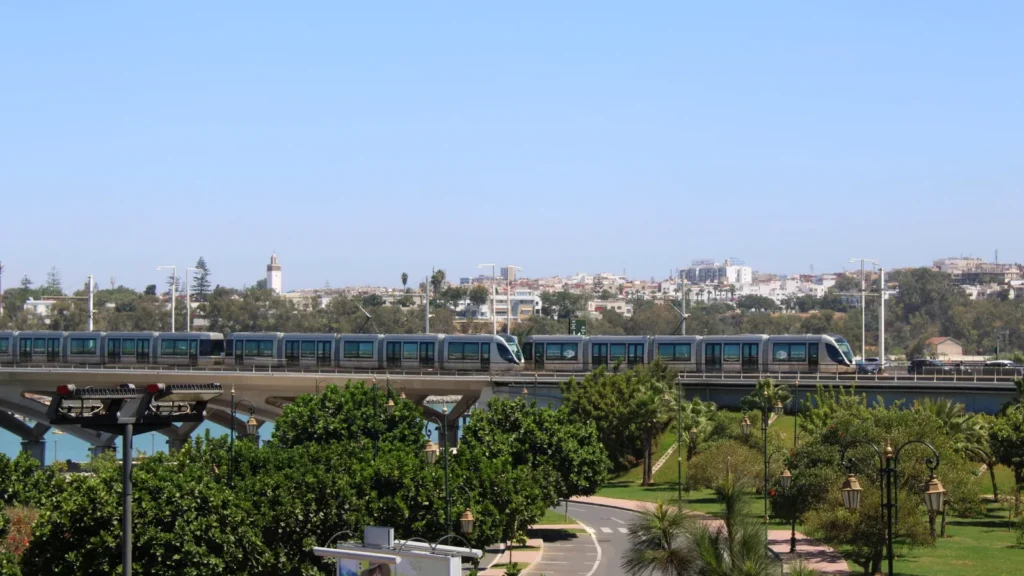
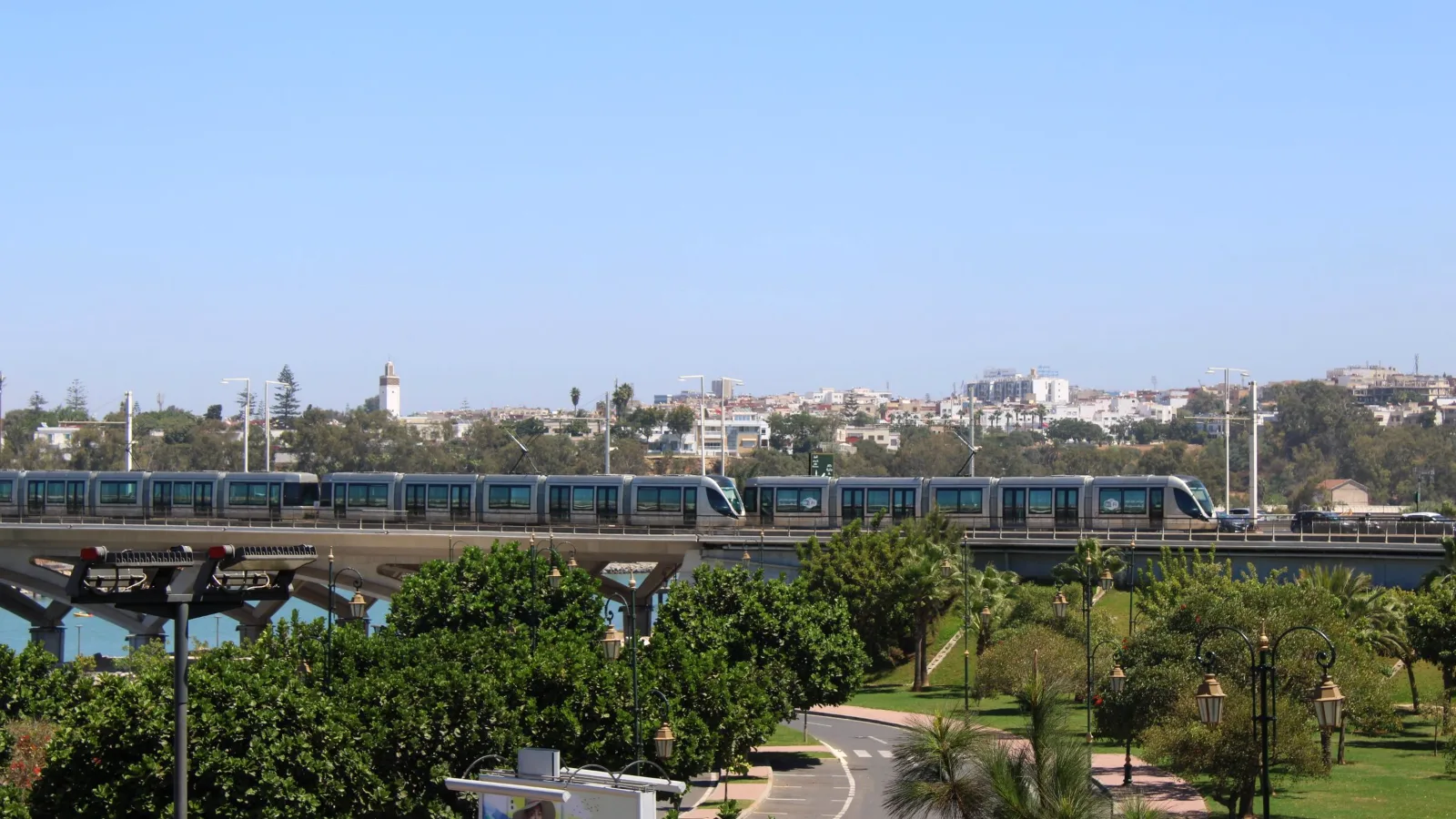
For getting around Morocco smoothly, casablanca and the Rabat–Salé area have tram systems, while city buses and taxis serve urban journeys. The Moroccan National Tourist Office transport guide summarises the main options. Use current local information because lines and fares evolve.
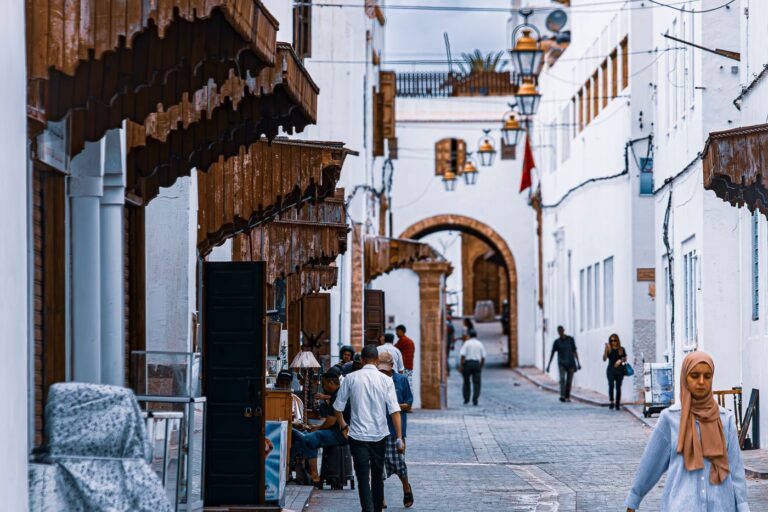
Medinas are often best explored on foot, but lanes can be confusing and vehicles may not reach the accommodation door. Ask the riad for the nearest accessible drop-off point, wear comfortable shoes and save the address offline in both Latin and Arabic script when available.
Tickets, luggage and connections
Buy through official websites, station counters or authorised agencies. Verify date, city, station and passenger name before payment. Keep a screenshot or offline copy of the ticket and allow time for security, platform finding and luggage loading.
Separate tickets do not protect a missed connection. Add a buffer, particularly when moving between a flight, train and coach. On busy dates, reserve the most constrained leg first, then organise flexible local transport around it.
Getting around Morocco safely
Use marked vehicles or confirmed providers, agree prices clearly and keep valuables with you. Send the vehicle or booking details to a trusted contact when appropriate. For broader advice, read our Morocco safety and etiquette guide.
A good itinerary combines efficiency with rest. Choose public transport for simple city pairs and a driver where it genuinely saves multiple changes or reaches remote places. Our Morocco tours page can help compare complete routes.
Transport checklist
- First airport transfer planned
- Official train or coach links saved
- Correct stations confirmed
- Tickets stored offline
- Connection buffers added
- Luggage rules checked
- Small cash for local taxis
- Private price confirmed in writing
- Offline maps downloaded
- Accommodation drop-off point saved
- Rental insurance understood if driving
- Emergency contacts available
Frequently asked questions
What is the best way to travel between Moroccan cities?
Train works well on connected corridors; established coaches cover many places without rail. A private driver is useful for remote or multi-stop routes.
Are trains available to Agadir or the Sahara?
Agadir and most desert destinations are not directly reached by the main passenger rail network, so use a coach, transfer or driver for that section.
How do taxis work?
Petit taxis handle city rides; grand taxis cover larger or regional journeys. Ask for the meter where applicable or agree the fare and whether it is per seat.
Is renting a car necessary?
No. It helps with flexible rural routes, but many city itineraries work well with train, coach, taxis and selected private transfers.
Build the right transport mix
The smartest way of getting around Morocco is a route-by-route combination. Use official booking channels, confirm stations and prices, leave connection buffers, save documents offline and choose a private driver only where the flexibility adds real value.