
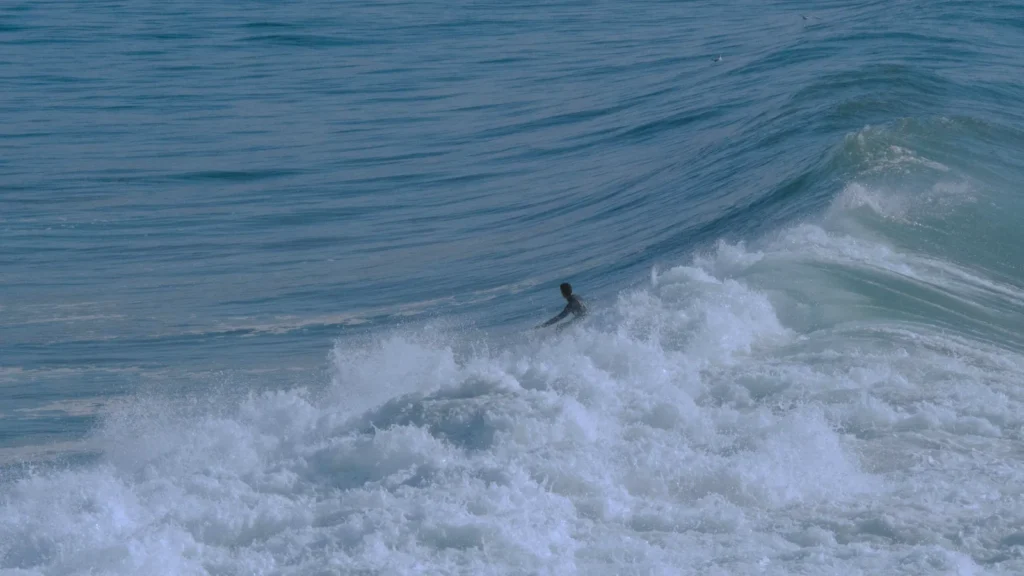
Surfing in Morocco Taghazout is built around one fishing village on the Atlantic coast, about 20 km north of Agadir, and a run of reef, point and beach breaks within a few minutes of each other. That variety is why it suits both first-timers and experienced surfers, though not at the same spots or in the same season.
This guide explains how the season changes the waves, which spots suit which level, what to wear and how to avoid the common hazards. Conditions change daily, so treat it as planning help, not a surf report.
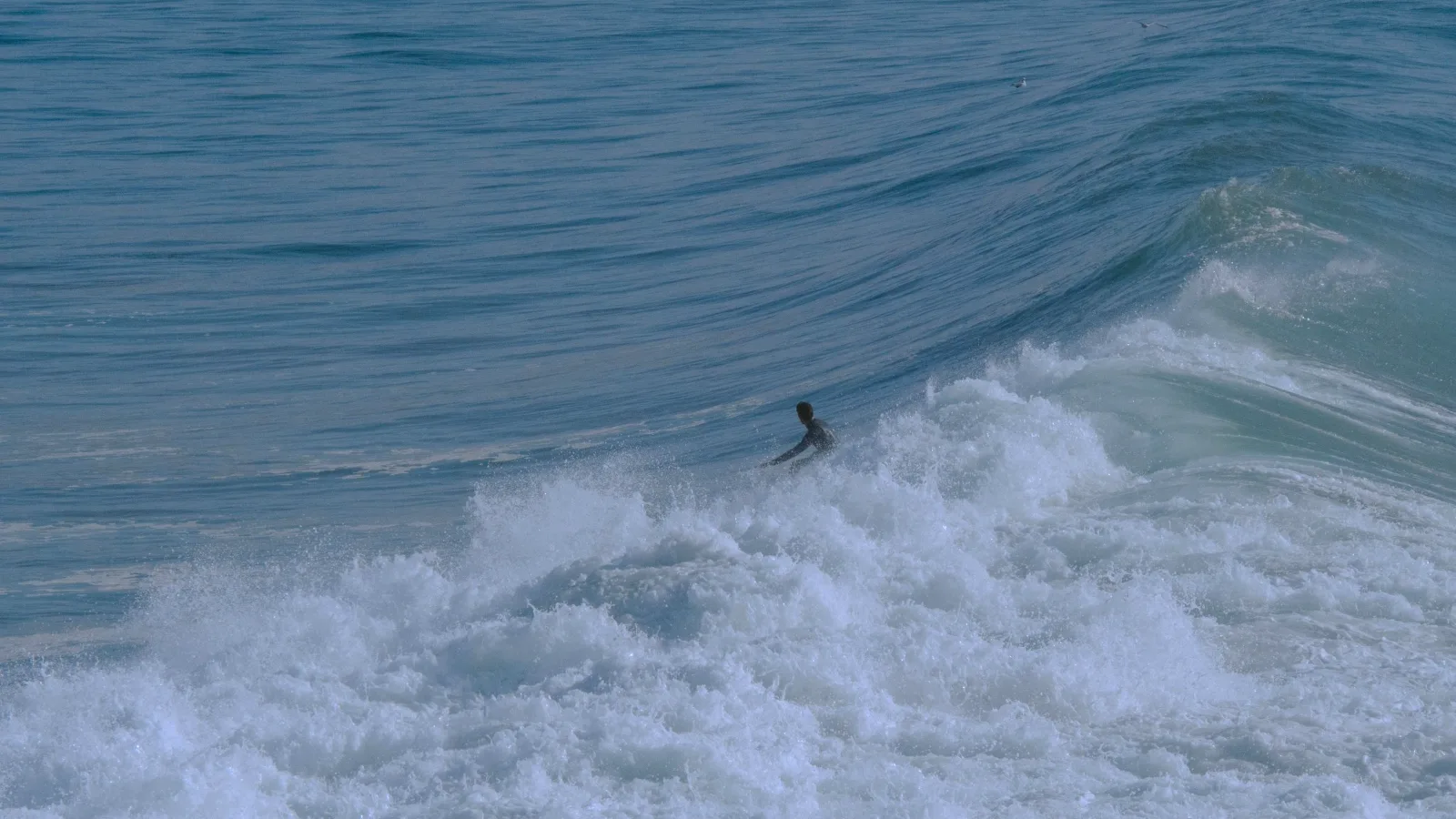
Table of Contents
Surfing in Morocco Taghazout: the main spots by level
Different sources label spots slightly differently, because a spot’s difficulty depends on the swell, tide and crowd on the day. Use the table as a starting point and ask a local surf school or guide for the day’s conditions.
| Spot | Break type | Generally suits | Watch out for |
|---|---|---|---|
| Banana Point | Mellow right, sandy bottom | Beginners and improvers | Often crowded |
| K17 | Long sandy beach with several peaks | Beginners and improvers | Loose boards from nearby lessons |
| Devil’s Rock | Sand beach break | Most levels in smaller surf | Changing sandbanks |
| Hash Point | Mellow to playful right | Improvers and intermediates | Crowds in good swell |
| La Source | Reef break | Intermediates | Hard, shallow reef; booties help |
| Panorama | Right-hand wave near cliffs | Intermediates and above | Can close out in big swell |
| Anchor Point | Long right off a rocky headland | Experienced surfers | Rocks, crowds and long paddle outs |
| Killer Point | Heavy right-hand point | Experts only | Powerful waves, difficult entry |
If you are new to surfing, stay on the sandy beach breaks and take lessons first from a qualified instructor. If you are experienced, the point breaks can be superb on a good swell, but they are also the places where crowding and rock hazards are most serious.
Best season for surfing in Taghazout
| Season | What to expect | Best for |
|---|---|---|
| Late autumn to early spring (about November to March) | Most consistent and biggest North Atlantic swell; point breaks work best | Intermediate and experienced surfers |
| Spring and early autumn | Smaller to medium surf and milder weather | Learners and improvers |
| Summer | Smaller waves, stronger onshore winds and more whitewash; busier on beaches | Beginners who want gentle surf |
Do not assume a guaranteed swell. Waves can be flat or too big for your level on any date, so build a flexible schedule and have a plan for non-surf days. Our Morocco weather in June guide gives a sense of how the summer months feel on the coast.
Wetsuit, board and kit
- In the cooler months a 3/2 or 4/3 mm wetsuit is commonly recommended; in summer a thinner suit or a shorty may be enough, although mornings can still be cool.
- Bring or rent reef booties for rocky entries and reef breaks.
- Choose a board for your level: a foamie or funboard for learning, a more performance-oriented board for the point breaks.
- Pack high-SPF sunscreen, a rash vest and a hat; UV can be strong even in winter.
- Carry a basic first-aid kit for reef cuts and keep wounds clean.
Safety and etiquette in the water
Surfing carries real risks, and conditions vary by spot, tide and swell. Learners should surf with an instructor, and everyone should know where the rocks, rips and exits are before paddling out. Check the marine forecast and warnings from the official Moroccan weather service and ask local surfers about conditions.
- Do not drop in on someone who is already riding a wave, and wait your turn at crowded peaks.
- Watch for rip currents on bigger days, and never surf alone in conditions you do not know.
- Check your travel insurance covers surfing, since some policies exclude it.
- Water quality has been a concern in the area in the past, so ask locally about conditions and avoid surfing near visible runoff or after heavy rain.
Getting there and where to base yourself
Most visitors fly into Agadir and take a transfer or taxi north to Taghazout, a drive of roughly half an hour. The village has surf camps, guesthouses and cafés within walking distance of several breaks, while others sit further along the coast. For the wider region, see our Agadir guide, and for a longer route, how many days to spend in Morocco.
Common mistakes
- Booking a winter trip as a beginner and expecting calm beach-break conditions every day.
- Paddling out at a point break because it looks easy from the cliff.
- Skipping booties and surfing reef breaks barefoot.
- Packing only surf days with no alternative plan if the swell is wrong.
Surfing in Taghazout: questions answered
Is Taghazout good for beginners?
Yes, if you choose the sandy beach breaks, surf with an instructor and avoid the point breaks. Summer and shoulder seasons usually give smaller, gentler waves.
When is the best time to surf in Taghazout?
Autumn to early spring has the most consistent swell, but it can be big. Summer is smaller and suits learners better.
Do you need a wetsuit?
In the cooler months, yes: a 3/2 or 4/3 mm suit is commonly used. In summer, a thinner suit may be enough.
Is surfing in Taghazout safe?
It depends on your level, the spot and the day. Rocks, rips and crowds are the main hazards, so surf within your ability and ask locally before paddling out.
Planning your Taghazout surf trip
Pick your season by your level: winter for experienced surfers who want swell, spring, early autumn or summer for learners. Allow flexible days, book lessons or guiding in advance if you are new, and use our things to do in Morocco guide to fill the days when the surf is not right.