
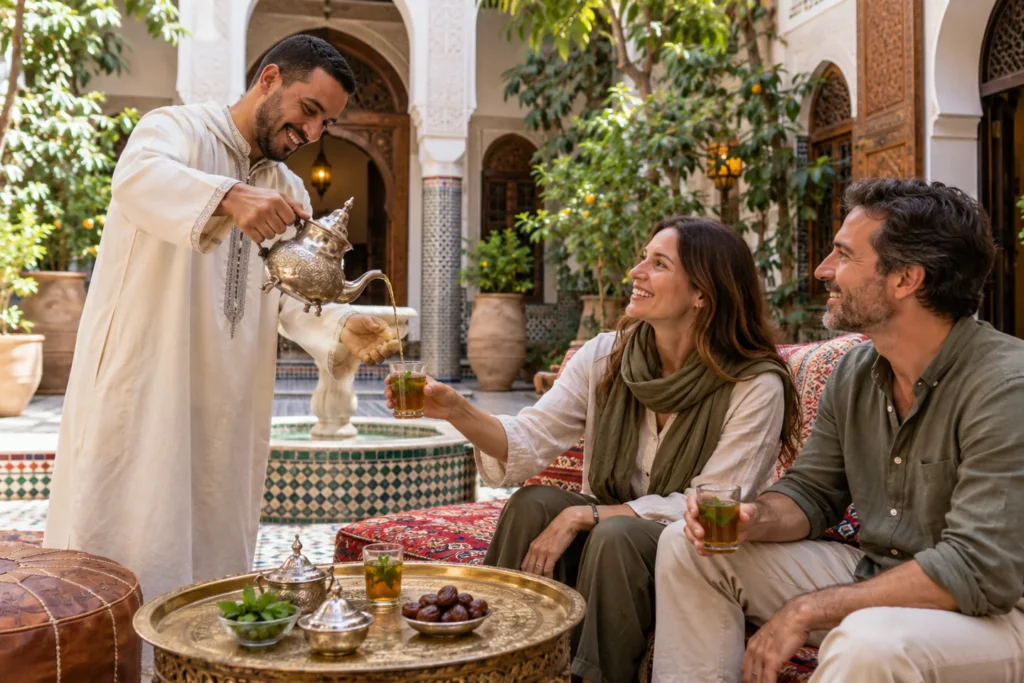
Planning Morocco safety and etiquette takes more than a list of places. You need realistic travel times, a logical order and enough space to experience Morocco without rushing. Most visitors experience Morocco safely by using normal city awareness, agreeing prices early and respecting local customs. This guide compares the main options, explains the trade-offs and turns the idea into a practical plan you can book with confidence.
Table of contents
Table of Contents
Morocco safety and etiquette: Quick answer
Most visitors experience Morocco safely by using normal city awareness, agreeing prices early and respecting local customs.
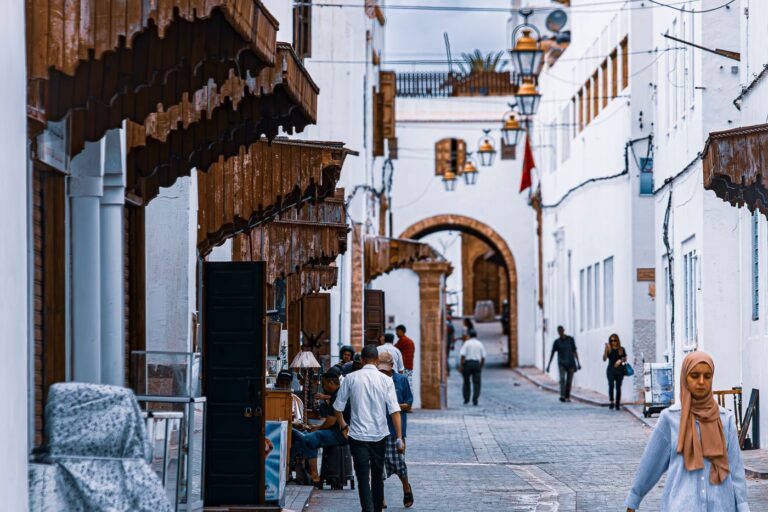
Busy medinas require attention to phones, bags and traffic, while isolated areas call for a registered guide and reliable transport.
The starting point for Morocco safety and etiquette is choosing one main priority for each day. In Morocco, a short distance on the map can take longer because of mountain roads, medina traffic and worthwhile viewpoints. A reliable plan protects the best daylight hours and includes time for meals, check-in and unexpected delays.
Recommended plan
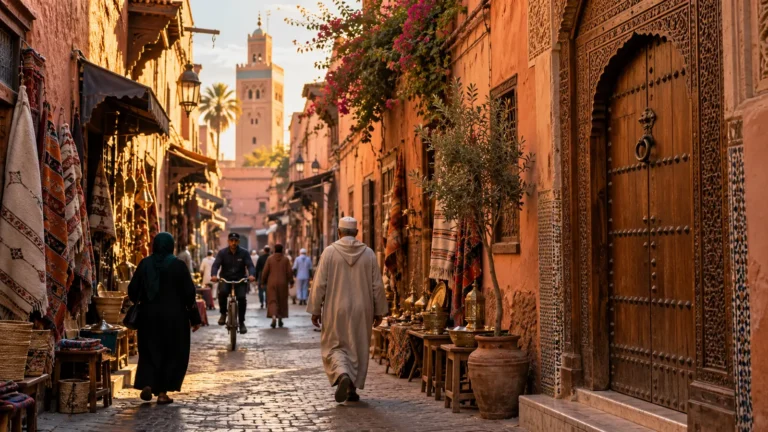
Dress does not need to be traditional, but shoulders and knees covered are practical in villages, religious areas and family homes.
To keep Morocco safety and etiquette comfortable, alternate active days with lighter ones. Early starts can help, but they should not remove every free hour. Families, couples and older travellers can follow the same route by adjusting rest stops and the length of visits.
undefined Explore our Morocco tours.
Realistic timing and pace
Use official taxis or agreed transfers, confirm the fare or meter, and keep accommodation details available offline.
The starting point for Morocco safety and etiquette is choosing one main priority for each day. In Morocco, a short distance on the map can take longer because of mountain roads, medina traffic and worthwhile viewpoints. A reliable plan protects the best daylight hours and includes time for meals, check-in and unexpected delays.
To keep Morocco safety and etiquette comfortable, alternate active days with lighter ones. Early starts can help, but they should not remove every free hour. Families, couples and older travellers can follow the same route by adjusting rest stops and the length of visits.
Budget and booking
Small tips are common for genuine service, yet every unsolicited direction does not create an obligation to pay.
The price of Morocco safety and etiquette depends mainly on season, accommodation level, private transport and included activities. Ask for a written quote that identifies meals, entrance fees, local guides and supplements. The lowest price is not always the best value when many costs appear during the trip.
Book limited-capacity elements first and keep smaller details flexible. Character riads, desert camps and dependable guides fill quickly during popular months. Confirm cancellation rules, arrival time and the exact meeting point before paying.
Best time to go
During Ramadan, restaurants in tourist areas often operate, but discreet daytime eating and patient service expectations show respect.
Weather changes the pace of Morocco safety and etiquette. Spring and autumn are balanced; in summer, visit early and rest in the hottest hours; in winter, bring layers for mornings and nights. Check local conditions again a few days before departure.
Mistakes to avoid
Do not photograph people, shops or religious activity at close range without asking clearly for permission.
The most common mistake is adding too many stops. A successful route gives important experiences enough time, avoids weak detours and keeps the promises made in the itinerary. If a day already includes many hours of driving, do not add a long guided visit as well.
If a situation feels pressured, say no politely, move toward a busy place and contact your hotel or local authorities.
Practical checklist: Morocco safety and etiquette
- Most visitors experience Morocco safely by using normal city awareness, agreeing prices early and respecting local customs
- Busy medinas require attention to phones, bags and traffic, while isolated areas call for a registered guide and reliable transport
- Dress does not need to be traditional, but shoulders and knees covered are practical in villages, religious areas and family homes
- Use official taxis or agreed transfers, confirm the fare or meter, and keep accommodation details available offline
- Small tips are common for genuine service, yet every unsolicited direction does not create an obligation to pay
- During Ramadan, restaurants in tourist areas often operate, but discreet daytime eating and patient service expectations show respect
- Do not photograph people, shops or religious activity at close range without asking clearly for permission
- If a situation feels pressured, say no politely, move toward a busy place and contact your hotel or local authorities
Frequently asked questions
Most visitors experience Morocco safely by using normal city awareness, agreeing prices early and respecting local customs.
Use official taxis or agreed transfers, confirm the fare or meter, and keep accommodation details available offline.
Small tips are common for genuine service, yet every unsolicited direction does not create an obligation to pay.
Final advice
In short, Morocco safety and etiquette works when pace, budget and logistics are decided together. Use this structure as a base, then adapt it to flights, interests and season. A clear plan before booking reduces surprises and makes the whole journey more enjoyable.